Monthly Weather in Washington, DC: Highs, Lows and Rain
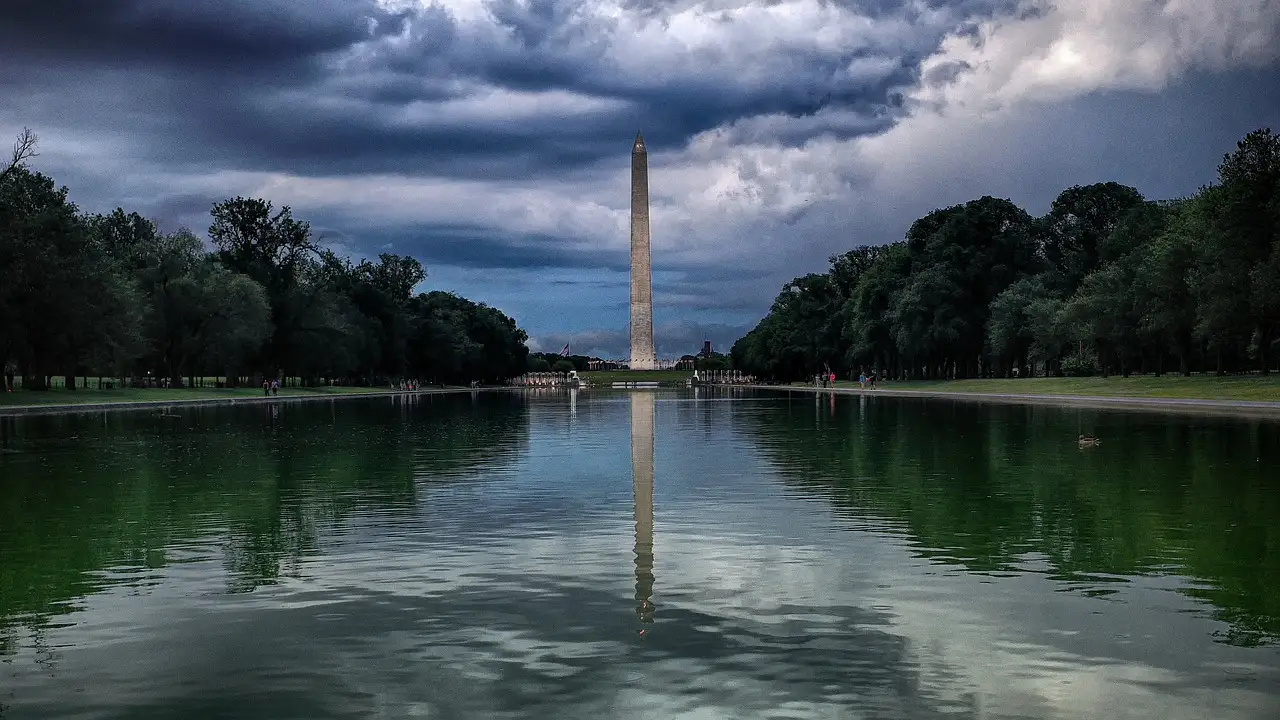
Washington, DC monthly weather swings from a 30°F average low in January to a 90°F average high in July. Spring and fall are the mild months, and rain falls in every month. The list below takes the year one month at a time, with the average high, low, rain and what each month means for your days out.
1. January: the coldest month, with a little snow
January is the coldest month in Washington, DC. Highs average 45°F and lows average 30°F, according to NOAA's 1991 to 2020 climate normals for Reagan National Airport. The month gets about 2.9 inches of rain and about 4.9 inches of snow.
Wear a warm coat, a hat and gloves for the Mall. Then spend the coldest hours inside. The big museums are a good fit for a January day. Winter is also a quiet time to see the memorials, which are open 24 hours a day, according to the National Park Service.
Weather is one part of your budget. For the rest, see the washington dc trip cost guide.
2. February: cold, with the most snow of the year
February has an average high of 48°F and an average low of 32°F. February is the driest month, with about 2.6 inches of rain, and it has the most snow, about 5 inches on average.
Pack boots with a good grip. Snow and ice can slow a walk across the Mall. Keep your plan flexible, and put an indoor stop on each day.
3. March: a cold start and the first warm days
March warms up fast. Highs reach about 57°F and lows about 39°F. About 3.5 inches of rain fall, and the average snow drops to about 2 inches.
March is also when the cherry trees bloom. The National Park Service says peak bloom most often falls between the last week of March and the first week of April. Peak bloom in 2026 came on March 26. Earlier and later years happened too, from March 15 in 1990 to April 18 in 1958.
Nobody can pick the exact day far ahead. The Park Service says forecasting peak bloom is almost impossible more than 10 days in advance. A late frost can even stop the trees from blooming at all. Read the Bloom Watch page before you book. For tickets and dates, see our page on cherry blossoms dc.
The trees are free to see. A tour is for people who want a guide and a ride. The cherry blossom bus tour runs 4 hours and is from €53 per person, with a 4.6 rating from 70 reviews. It is run by USA Guided Tours and shows free cancellation. The listing includes a guide, a climate-controlled bus and a guided walk around the Tidal Basin. Entrance fees and tips are not included.
Pro Tip Book a bloom tour with free cancellation, because the Park Service cannot call the peak more than 10 days ahead.
4. April: mild days and the end of the blossoms
April is mild. Days reach about 68°F and nights drop to about 48°F. About 3.2 inches of rain fall, and the averages show no snow.
According to the Park Service, a rainy, windy day can end the blossoms fast, and cool, calm weather keeps them longer. Even after they drop, April is a good month to walk the Mall.
Mild days also suit a bike. The cherry blossom bike and e-bike tour runs 2 hours and is from €76 per person, with a 4.8 rating, but from only 20 reviews. It is run by Unlimited Biking Washington DC. The price includes the guide, a bike or e-bike, a helmet and a map. It is not suitable for people who cannot ride a bike, pregnant women or wheelchair users. E-bike riders must be 16 or older.
5. May: warm and the first hot afternoons
May is warm. Highs average 77°F, lows average 58°F, and about 3.9 inches of rain fall.
May is a fine month for a long day outside. Carry a light rain jacket and a water bottle. The afternoons are warmer than the mornings, so do the long walks first.
Key Takeaway April, May, September and October have average highs from 68°F to 81°F, the range most visitors find easiest for a long day on foot.
6. June: summer starts, and the afternoons get hot
June has an average high of 85°F and an average low of 68°F. About 4.2 inches of rain fall, which is one of the wetter months.
Plan your outdoor sights for the morning. The Park Service says the early evening and morning hours on the Mall are beautiful and tranquil. Save museums for the middle of the day, when the sun is strongest.
7. July: the hottest and wettest month
July is the hottest month in Washington, DC. Its average high is 90°F and the average low is 72°F. July is also the wettest month, with about 4.3 inches of rain.
The Weather Service says hot weather and high humidity can quickly cause heat illness. Its Baltimore/Washington office issues an Extreme Heat Watch when a heat index of 110 or more is possible in the next 12 to 48 hours. Drink water often, and rest in the shade.
If you want a break from walking, the river is a short way to see the big sights. The Potomac River sightseeing cruise lasts 45 minutes and is from €27 per person, with a 4.2 rating from 214 reviews. It is run by CapitolRiverCruises and leaves from Georgetown. The listing names the Kennedy Center, the Lincoln Memorial and the Washington Monument. It is not suitable for wheelchair users.
Things to Do in Washington DC's count of GetYourGuide listings in October 2026 found 8 cruises on the water, from €22.
8. August: still hot, a little drier
August is close to July. The average high is 88°F and the average low is 71°F. Rain eases to about 3.3 inches.
Treat August like July. Start early, drink water and plan a long break in the middle of the day. A trip to the National Mall and monuments works best at the start or the end of the day.
9. September: warm days, the heat letting go
September has an average high of 81°F and an average low of 64°F. About 3.9 inches of rain fall.
The heat is easier than in August, but the days are still warm. This is a good month for the Mall and for a day out of town. Look at the day trips from Washington, DC if you want more than the city.
10. October: mild and comfortable
October is mild. Afternoons reach about 69°F and nights drop to about 52°F. About 3.7 inches of rain fall, and there is no snow in the averages.
Most days are comfortable for walking. Bring a light jacket for the evenings. The temperature in October is close to April, so the same plans work.
11. November: cool days, and cold nights
November has an average high of 58°F and an average low of 42°F. Rain eases to about 2.9 inches. Snow is almost zero, about 0.1 inches.
The days are cool but good for sightseeing. Wear a coat after dark. A Capitol tour or a day in the museums fits the shorter days well.
12. December: cold, with the first snow
December has an average high of 49°F and an average low of 35°F. About 3.4 inches of rain fall, and about 1.7 inches of snow.
December is cold, but not as cold as January. Dress in layers. A food tour is a good way to warm up, and our page on food tours lists the options.
How to choose a month from the monthly weather in Washington, DC
Pick April, May, September or October for the easiest weather. Pick winter only if you pack a warm coat and plan indoor stops. Pick June to August only if you can start early and rest in the afternoon. The first table puts all twelve months side by side, and the second matches a goal to a month.
| Month | Average high | Average low | Rain (inches) | Snow (inches) |
|---|---|---|---|---|
| January | 45°F | 30°F | 2.9 | 4.9 |
| February | 48°F | 32°F | 2.6 | 5.0 |
| March | 57°F | 39°F | 3.5 | 2.0 |
| April | 68°F | 48°F | 3.2 | 0.0 |
| May | 77°F | 58°F | 3.9 | 0.0 |
| June | 85°F | 68°F | 4.2 | 0.0 |
| July | 90°F | 72°F | 4.3 | 0.0 |
| August | 88°F | 71°F | 3.3 | 0.0 |
| September | 81°F | 64°F | 3.9 | 0.0 |
| October | 69°F | 52°F | 3.7 | 0.0 |
| November | 58°F | 42°F | 2.9 | 0.1 |
| December | 49°F | 35°F | 3.4 | 1.7 |
| If you want | Pick | Why |
|---|---|---|
| The cherry blossoms | Late March to early April | Peak bloom most often falls in this window, and 2026 peaked March 26 |
| Easy days on foot | April, May, September or October | Average highs run from 68°F to 81°F |
| The least heat | December to February | Average highs run from 45°F to 49°F |
| A day on the water | June to September | Average highs run from 81°F to 90°F |
| The least rain | February | The average is 2.6 inches, against 4.3 in July |
The tables use NOAA's 1991 to 2020 averages for Reagan National Airport. Here is the year in four seasons.
One honest limit. An average is the middle of the range, not a promise. A single week can run warmer, cooler or wetter than the table, so check the forecast a few days before your trip.
A trip feels easier when you plan the long walks for the cool part of the day.
Pick a tour that fits the season
The cherry blossom bus tour is from €53 per person, the cherry blossom bike tour is from €76, and the Potomac River cruise is from €27. All three show free cancellation on GetYourGuide.
-
Cherry blossom bus tour
from €53 per person
A 4-hour guided trip in a climate-controlled bus with a walk around the Tidal Basin, for the spring bloom.
4 hours 4.6 (70 reviews) Free cancellation
Run by USA GUIDED TOURS
Check availability: Cherry blossom bus tour on GetYourGuide -
Cherry blossom bike and e-bike tour
from €76 per person
A 2-hour guided ride for mild spring days, with bike or e-bike hire and a helmet included.
2 hours 4.8 (20 reviews) Free cancellation
Run by Unlimited Biking Washington DC · not suitable for pregnant women, people who can't ride a bike, wheelchair users
Check availability: Cherry blossom bike and e-bike tour on GetYourGuide -
Potomac River sightseeing cruise
from €27 per person
A 45-minute narrated cruise past the Lincoln Memorial and the Washington Monument for a hot day.
45 minutes 4.2 (214 reviews) Free cancellation
Run by CapitolRiverCruises · not suitable for wheelchair users
Check availability: Potomac River sightseeing cruise on GetYourGuide
Prices and ratings as shown on GetYourGuide on 25 October 2026.
Cherry blossom tours in Washington, DCFAQ
What is the weather like in Washington, DC?
What is the average weather in Washington, DC by month?
How is the weather in Washington, DC in January?
How is the weather in Washington, DC in October?
What's the hottest month in DC?
Conclusion
Washington, DC is easiest to visit in April, May, September and October, when the average highs run from 68°F to 81°F. Winter is cold and brings a little snow, so plan indoor stops for the coldest hours. July and August are hot, so plan outdoor sights for the morning or the evening. Check the forecast a few days before you leave, because an average is only the middle of the range.
Related guides
Sources
- NOAA National Centers for Environmental Information, U.S. Climate Normals 1991-2020, monthly, Washington Reagan National Airport, last checked 25 October 2026
- National Park Service, Cherry Blossom Festival: Bloom Watch, last checked 25 October 2026
- National Weather Service Baltimore/Washington, Heat Information Page, last checked 25 October 2026
- National Park Service, National Mall and Memorial Parks: Plan Your Visit, last checked 25 October 2026